Journal
Dehua porcelain and Blanc de Chine: a short guide
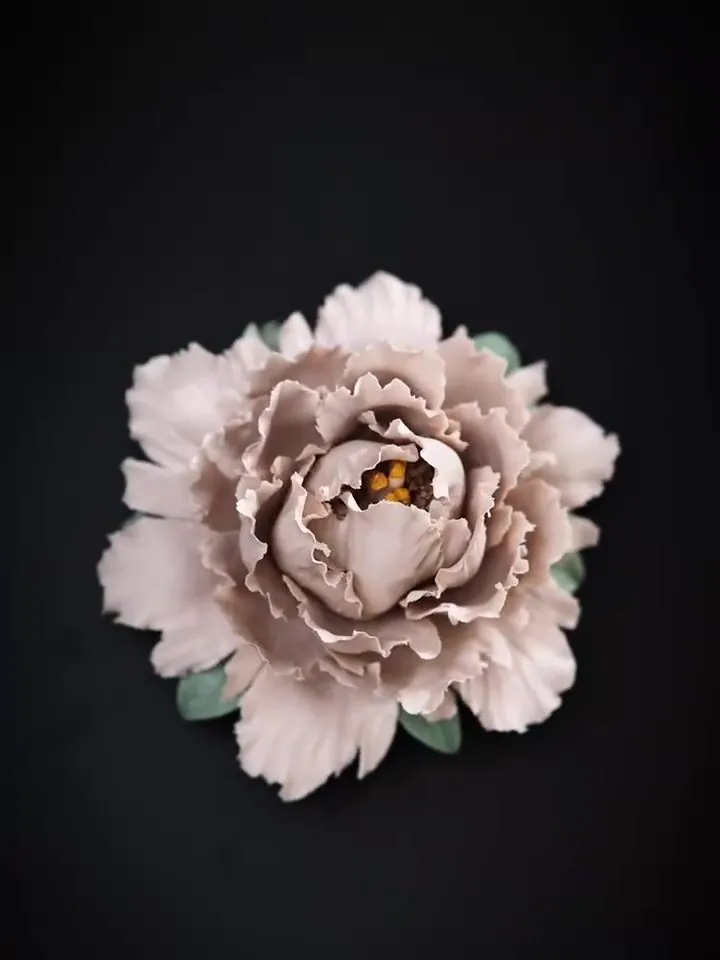
Dehua is a county in Fujian province, south-east China, known for white porcelain. Large quantities reached Europe as export porcelain in the early 18th century, where it was called Blanc de Chine. In 2021 the Dehua kiln sites were inscribed on the UNESCO World Heritage List as part of Quanzhou. Porcelain flowers are a living Dehua craft: each petal is pressed and set by hand, then fired.
Where is Dehua?
Dehua is a county in Fujian province in south-east China, inland from the port city of Quanzhou. Its hills supply a fine white porcelain clay, and kilns there have produced ceramics for centuries.
What is Blanc de Chine?
Blanc de Chine, French for “white from China”, is the name Europeans gave to Dehua’s white porcelain. Large quantities arrived in Europe as export porcelain in the early 18th century. Dehua was best known for crisply modelled white figures; the Ming dynasty artist He Chaozong is among its most famous makers.
Why is Dehua on the UNESCO World Heritage List?
In 2021 UNESCO inscribed “Quanzhou: Emporium of the World in Song-Yuan China”, a group of sites that show the city’s role in medieval maritime trade. The Dehua kiln sites are part of that listing, because their porcelain travelled out through Quanzhou.
How are Dehua porcelain flowers made today?
- Porcelain clay is kneaded and pinched into thin petals.
- Each petal is curved while the clay is still soft.
- The bloom is built from the centre outwards, petal by petal.
- Leaves are added, the flower dries, and it is fired.
- The fired flower is coloured by hand.
See each stage in photographs on our craft page.